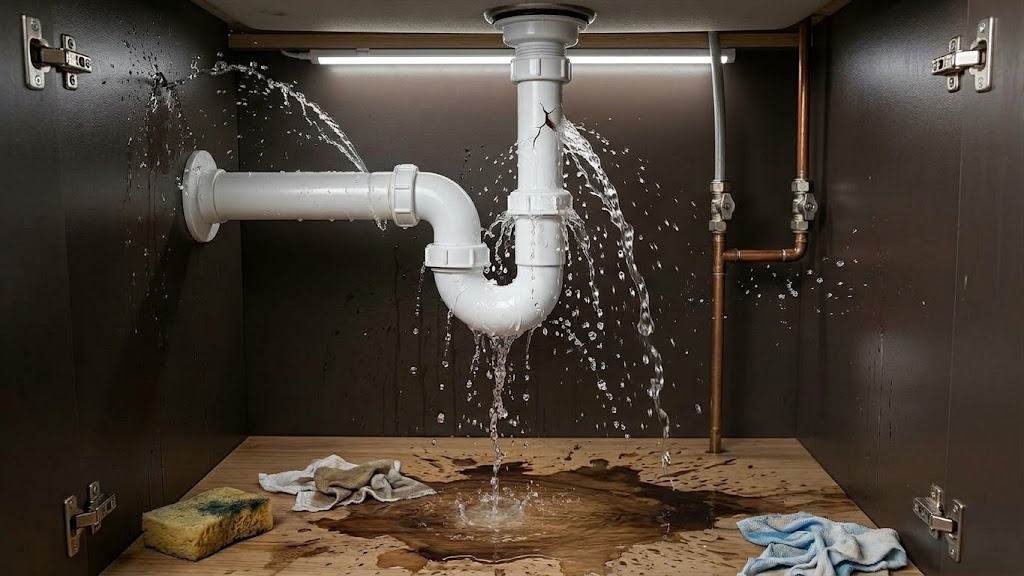
Local Waynesboro Climate & Plumbing Infrastructure Profile
Plumbing infrastructure in Waynesboro, Georgia experiences significant stress during winter freeze-thaw cycles. With average winter lows around 36°F and typical frost lines extending 6-12 inches, uninsulated supply lines in exterior walls, crawlspaces, and basement margins require rapid emergency isolation when ruptures occur.
| Local Metric | Waynesboro Regional Data Point |
|---|---|
| Winter Low Normal | 36°F |
| Local Frost Line Depth | 6-12 inches |
| Municipal Water Utility | Waynesboro Water & Sewer Authority |
| Median Home Construction Era | Circa 1985 |
| Common Pipe Materials | Copper supply lines, PEX tubing, and legacy galvanized piping common to Georgia homes built circa 1985. |
| Permitting & Licensing Authority | Waynesboro Building & Permits Department / Georgia State Board of Plumbing Contractors |
| Relative Labor Cost Index | 94% of National Baseline |
Services Available in Waynesboro
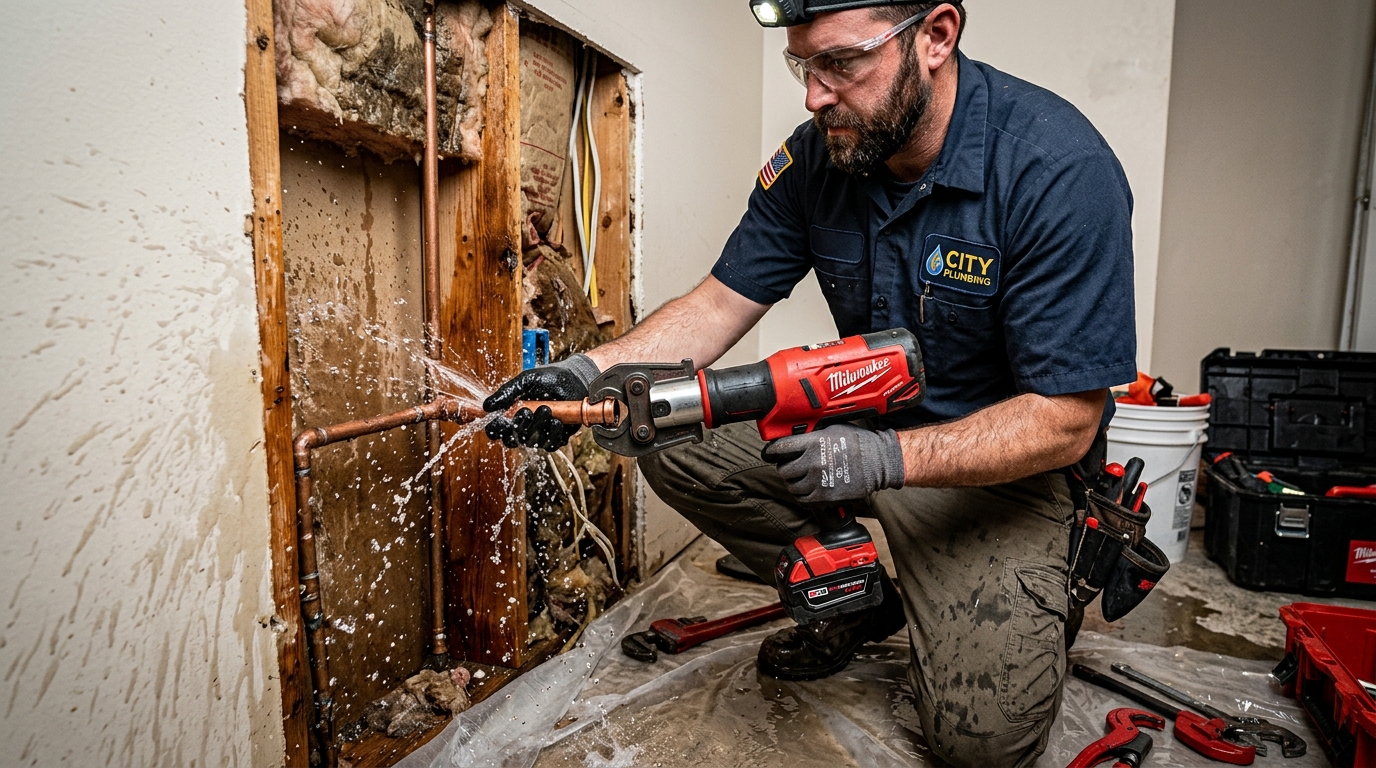
24/7 Emergency Burst Pipe Repair in Waynesboro
When a pressurized water line ruptures inside a ceiling, wall, or crawlspace, hundreds of gallons of water can flood your property with...
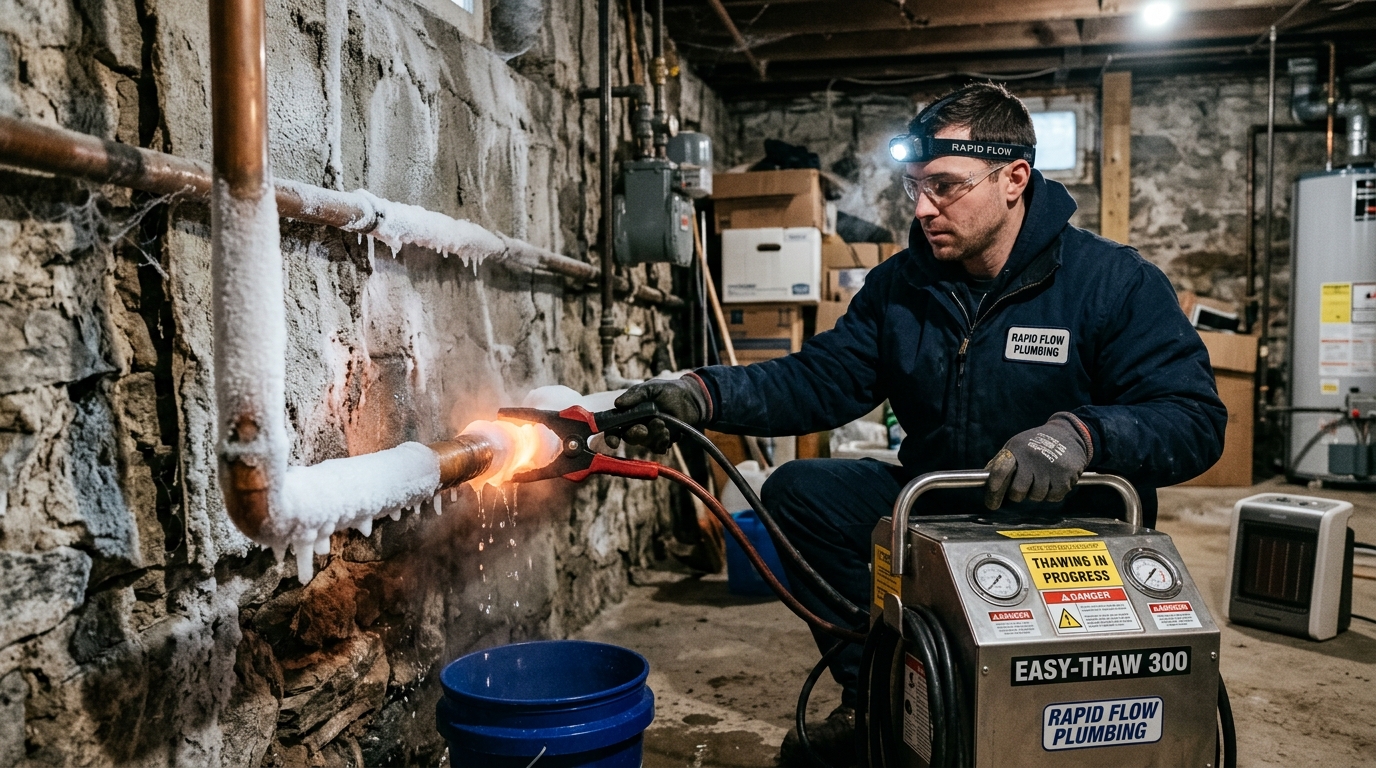
Frozen Pipe Thawing & Repair in Waynesboro
When outdoor temperatures plummet below 20°F (-6°C), uninsulated water lines in exterior walls, crawlspaces, and unheated basements fre...
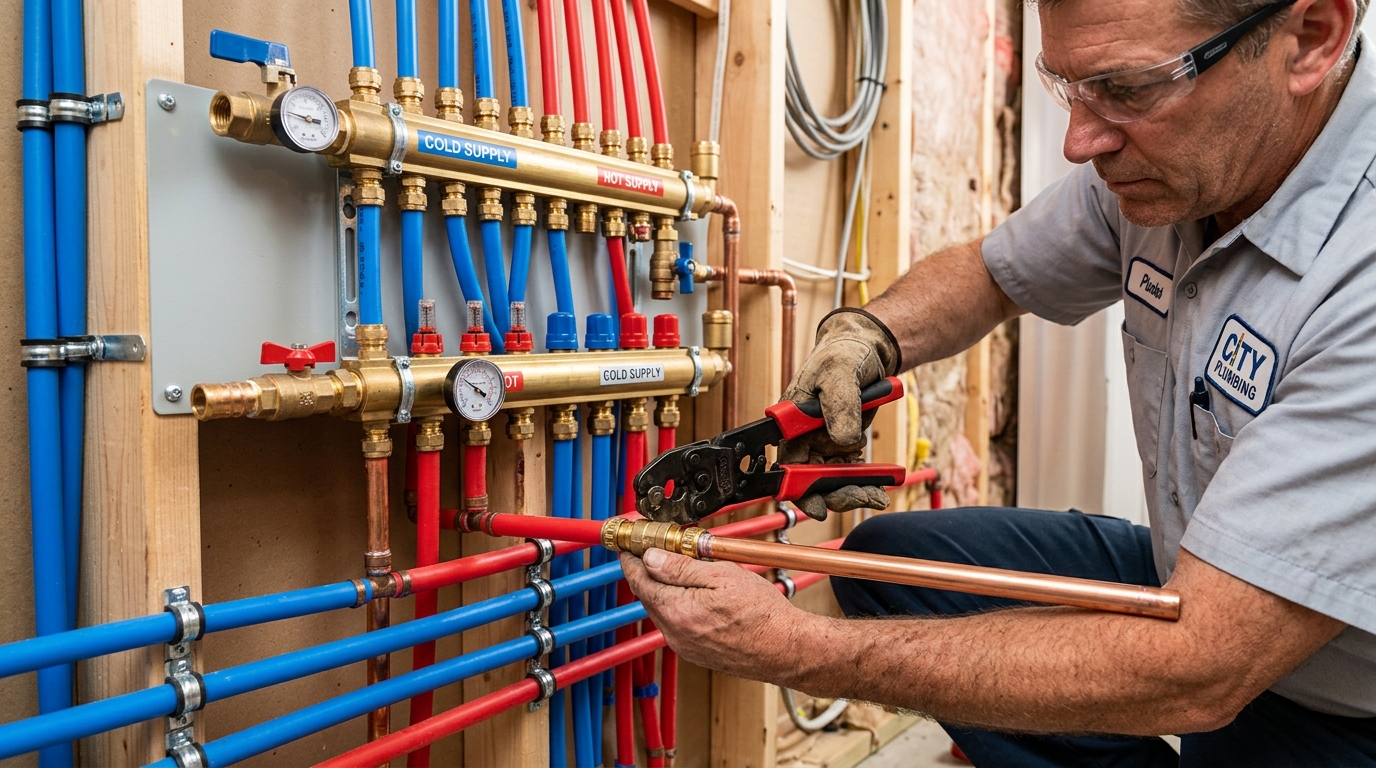
Copper, PEX & PVC Pipe Repair in Waynesboro
Modern residential plumbing systems utilize various pipe materials, each with unique failure modes. From chemical pitting in type M cop...
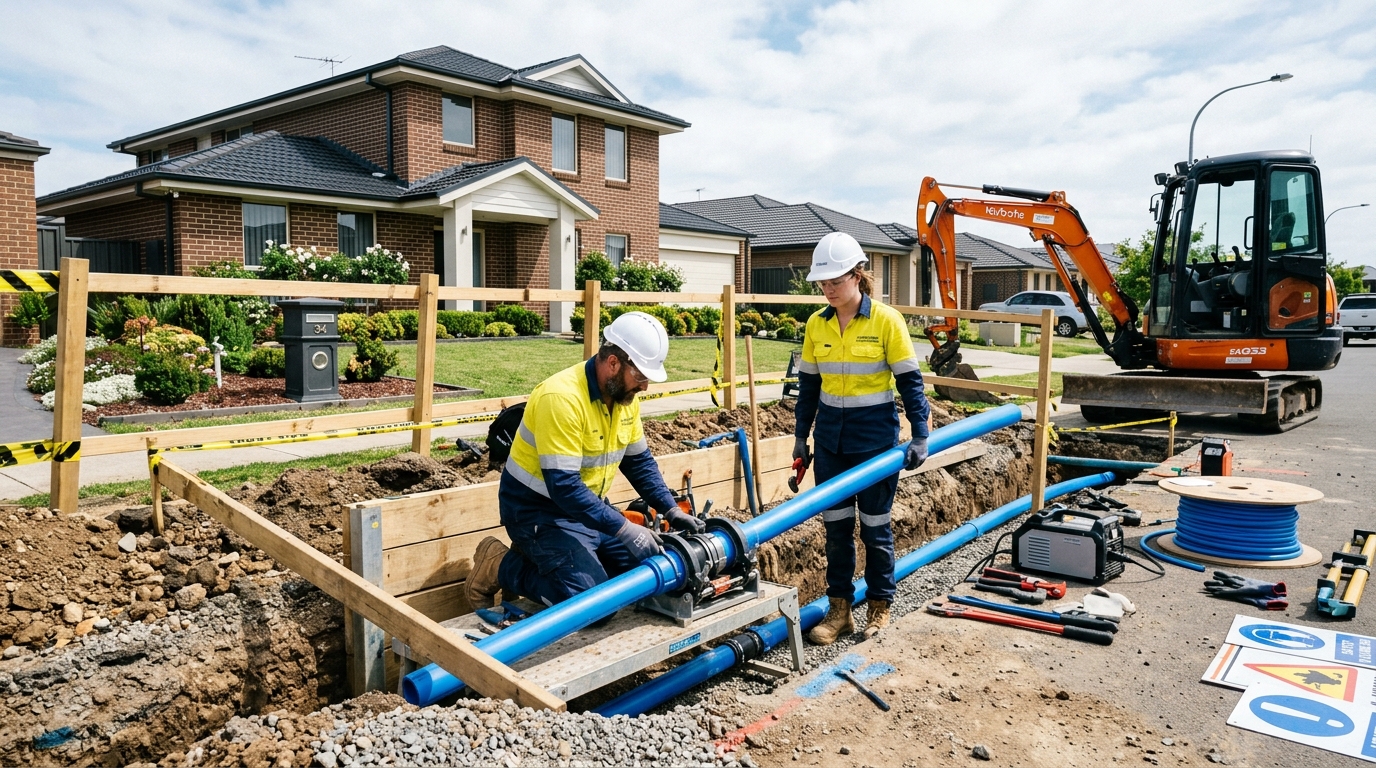
Underground Main Water Line Repair in Waynesboro
Your underground water service line conveys pressurized municipal water from the public curb stop or water meter into your foundation. ...
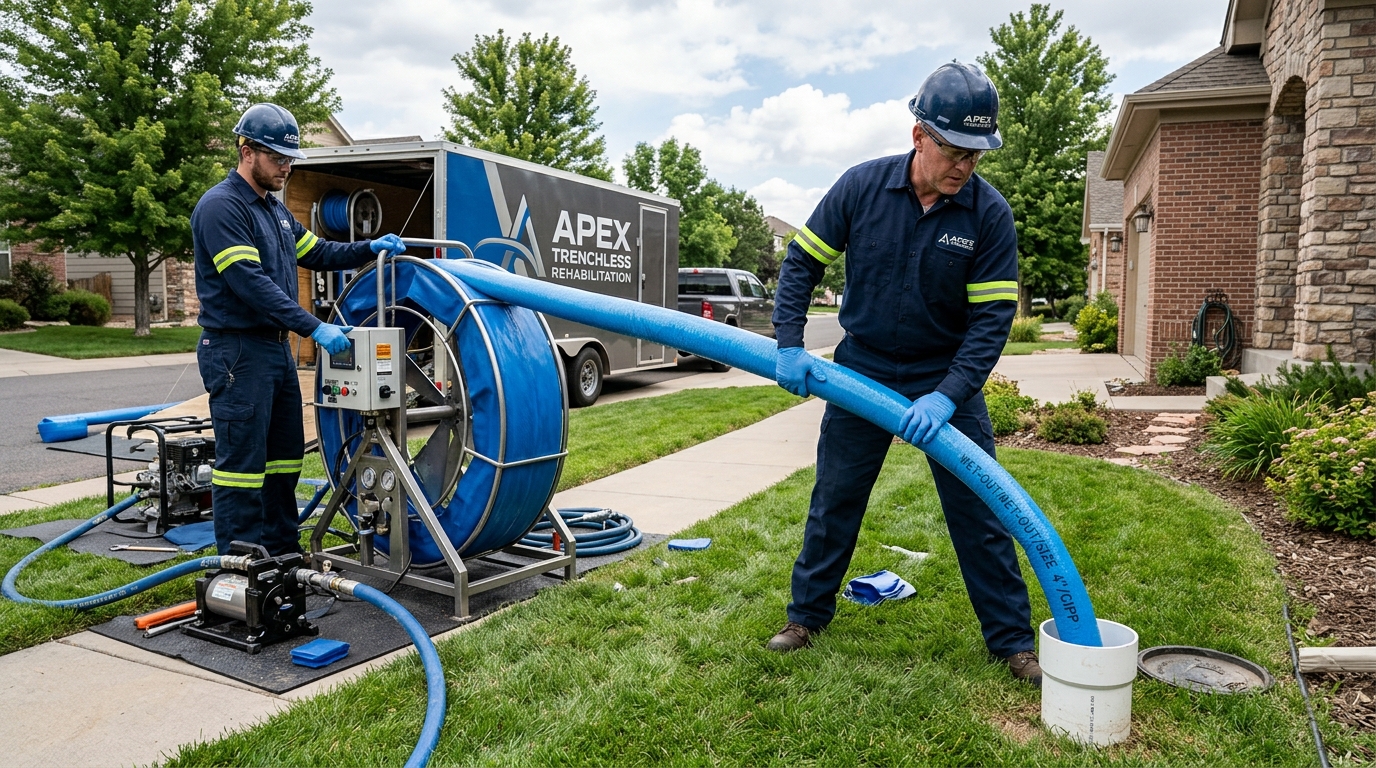
Trenchless Pipe Repair & Relining in Waynesboro
Traditional pipe replacement requires excavating destructive trenches through manicured lawns, brick driveways, patios, and mature tree...
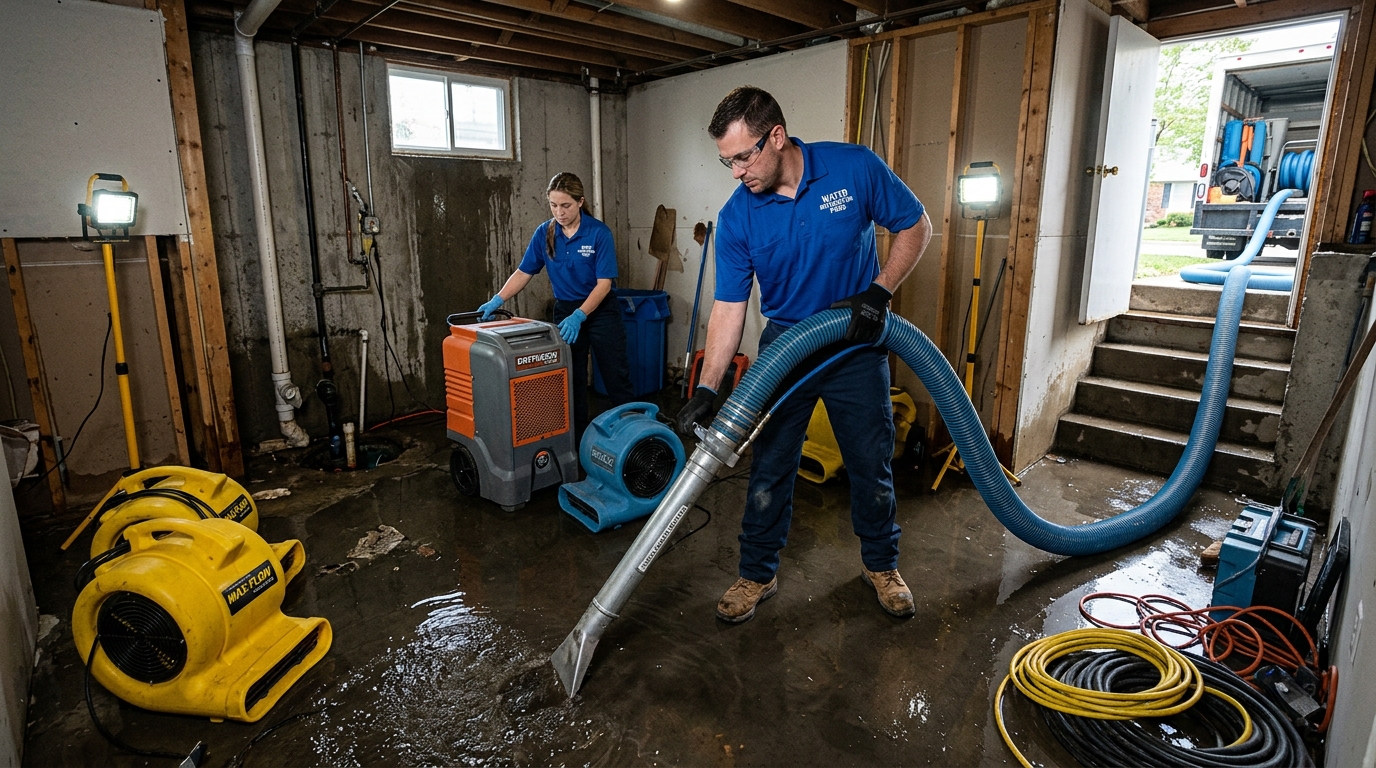
Emergency Water Extraction & Drying in Waynesboro
Stopping the pipe burst is only step one. Saturated hardwood flooring, wet subfloors, and soaked drywall breed destructive toxic mold w...
Emergency Pipe Repair & Prevention Guides (Waynesboro Homeowner Resource Center)
Explore 15 in-depth technical guides and emergency checklists to protect your Waynesboro property, isolate pressurized line failures, and navigate insurance claims:
What to Do When a Pipe Bursts (The First 10 Minutes Survival Guide)
A ruptured residential water line under standard 60 PSI pressure discharges 8 to 12 gallons of water every minute. Within just ten minutes, ...
How to Shut Off Your Home's Main Water Valve
Knowing how to quickly locate and operate your main water shutoff valve is the single most important skill for preventing catastrophic flood...
How to Shut Off Water to a Specific Sink, Toilet, or Appliance
If an isolated leak occurs at a sink, toilet, or appliance supply hose, closing the individual fixture angle stop allows you to isolate the ...
Signs of a Hidden Burst Pipe or Foundation Slab Leak
Not all burst pipes present as sudden waterfalls through ceilings. Pinhole breaches inside wall cavities or ruptured copper lines buried und...
Why Pipes Burst: The 6 Root Causes of Plumbing Ruptures
Understanding why pipes burst helps homeowners take preventative action before experiencing thousands of dollars in water damage....
What Temperature Do Pipes Freeze? The Danger Zone Explained
While pure water freezes at 32°F (0°C), indoor residential pipes surrounded by insulated wall cavities typically do not freeze the moment ou...
How to Thaw a Frozen Pipe Safely (And What Never to Do)
When you turn on a faucet during a winter cold snap and only a trickle or nothing comes out, your line is frozen. Thawing it safely requires...
How to Prevent Frozen Pipes: Complete Winterization Guide
Preventing frozen pipes is vastly cheaper and less stressful than dealing with emergency repairs and flooded basements. Follow this proven c...
Plumbing Pipe Materials Compared: Copper, PEX, PVC, CPVC & Galvanized
Every plumbing material has distinct strengths, lifespans, failure modes, and vulnerability to freezing and corrosion. Here is how modern an...
Does Homeowners Insurance Cover Burst Pipes? Claims & Documentation
Navigating homeowner's insurance claims after a catastrophic pipe burst can be daunting. Insurance adjusters draw strict legal distinctions ...
Water Damage Categories and Timelines (Category 1, 2, and 3 Explained)
Professional water damage restoration standards classify flood water into three distinct categories based on biological and chemical contami...
Mold Risk After a Burst Pipe: The 24-48 Hour Window
Microscopic mold spores exist naturally in indoor air. When a burst pipe provides continuous moisture and relative humidity rises above 65%,...
IICRC S500 Standards: How Certified Restorers Dry Structures
The ANSI/IICRC S500 Standard for Professional Water Damage Restoration is the universally recognized benchmark used by certified mitigation ...
Who Is Responsible for Main Water Line Repair? City vs. Homeowner
When an underground water leak causes soggy sinkholes in your yard or water surges up through the sidewalk, determining whether you or the c...
Trenchless Pipe Repair vs. Traditional Excavation
When an underground water or sewer line ruptures, homeowners face a critical choice: excavate a deep trench across their lawn or utilize tre...
Engineering & Infrastructure Analysis: Burst Pipe Risks in Waynesboro, Georgia
Unlike generic plumbing advice, mitigating water line failures in Waynesboro requires an understanding of local subsoil geology, municipal water distribution pressures, and historical housing materials across Georgia. Below is an engineering overview of subterranean risks, seasonal vulnerability cycles, and property isolation protocols for Waynesboro residents.
🌍 Geological Subsoil Mechanics & Subterranean Pipe Shear in Waynesboro
Subsurface Soil Classification: Compacted Clay-Silt Subgrade with High Moisture Retention
Subgrade Mechanics: Poorly drained subsoil with elevated perched water tables prone to rapid ice-lens growth during polar cold snaps.
Saturated clay-silt soils surrounding basement foundations in Waynesboro transmit cold temperatures rapidly inward toward uninsulated foundation wall penetrations. This localized cooling freezes trapped water inside exterior supply lines, triggering catastrophic burst fractures.
🏗️ Housing Vintage & Pipe Metallurgy Failure Dynamics in Waynesboro
Dominant Plumbing Vintage: Circa 2018 Construction
Modern Era (1996–Present): Cross-Linked Polyethylene (PEX) & Rigid Type L Copper
While modern Waynesboro properties utilize advanced PEX tubing and durable Type L copper, burst risks remain prevalent during severe winter freezes and hydraulic water hammer events. Early yellow-brass PEX crimp fittings frequently suffer from dezincification—a chemical process where zinc leaches out of brass alloys, leaving brittle, porous copper that shears off under normal household pressure. In addition, un-sleeved PEX routed across sharp metal framing studs can abrade and puncture over thousands of thermal expansion cycles.
Repairs require precision thermal-expansion tooling (ASTM F1960) or engineered PPSU (polyphenylsulfone) polymer fittings that are 100% immune to dezincification and chemical corrosion.
📅 Seasonal 4-Quarter Pipe Rupture Risk Calendar for Waynesboro
Water pipe failures in Waynesboro follow distinct seasonal patterns driven by regional temperature extremes and municipal hydraulic cycling:
| Quarter | Vulnerability Level | Primary Failure Mechanism in Waynesboro | Recommended Homeowner Action |
|---|---|---|---|
| Q1 (Jan – Mar) | Elevated Shock Risk | Ice damming, sub-surface frost penetration, and downstream hydrostatic pressure spikes up to 3,500 PSI. | Continuous interior heat (min 55°F), trickle exterior-wall faucets during sub-freezing nights, and insulate crawlspace rim joists. |
| Q2 (Apr – Jun) | Moderate Risk | Ground thaw settlement, soil saturation heave reversal, and lateral shear against foundation penetration sleeves. | Inspect basement sill plates, check water meter flow indicator for underground service line weeping caused by ground thaw settlement. |
| Q3 (Jul – Sep) | Elevated Pressure Shock | Municipal water tower draw-down, peak irrigation cycling, high attic thermal expansion, and solenoid valve water hammer. | Test household static pressure with a hose-bib gauge; verify Pressure Reducing Valve (PRV) holds below 70 PSI during high municipal irrigation spikes. |
| Q4 (Oct – Dec) | High Cold Shock | Sudden early polar cold snaps, undrained exterior sillcocks freezing internally, and uninsulated crawlspace wind-chill penetration. | Disconnect and drain all outdoor garden hoses; shut off interior isolation valves for exterior sillcocks prior to first hard freeze. |
🚰 Property-Specific Emergency Main Shutoff Protocol for Waynesboro Homes
In Waynesboro, homes built circa 2018 typically locate the primary shutoff at: Basement Rim Joist / Crawlspace Foundation Penetration / Utility Closet. Required emergency tools: Adjustable Pipe Wrench, WD-40 / Penetrating Oil (for seized legacy gate valves), Flashlight. Due to frost line requirements in Waynesboro (6-12 inches), main water service lines enter below grade through the front foundation wall. The primary shutoff is located inside the basement or mechanical crawlspace immediately ahead of the water meter or pressure reducing valve. Turn the brass lever clockwise perpendicular to the pipe.
Nearby Communities Served in Georgia
Our network provides rapid emergency coverage to Waynesboro and surrounding areas:
Estimated Burst Pipe Repair Costs in Waynesboro
We believe in upfront, transparent pricing. Standard estimated costs for common repairs in Waynesboro:
| Service | Estimated Cost |
|---|---|
| Standard Pipe Burst Diagnostic & Leak Detection | $150 – $350 |
| Exposed Copper / PEX Pipe Section Repair | $329 – $611 |
| Drywall / Wall Cavity Burst Repair | $564 – $1410 |
| Ceiling Joist Water Line Rupture Repair | $752 – $2068 |
| Under-Slab Foundation Leak Repair | $1410 – $4230 |
| Main Water Service Line Trenchless Replacement | $2632 – $6110 |
Please Note: These are estimated regional averages for the Waynesboro area based on standard industry rates. Actual costs may vary depending on pipe material, accessibility, system age, and local codes in Georgia. Call (855) 499-4130 for an upfront quote.